Juan M. Villafañe Presents at the 18th International Docomomo Conference, Santiago
Photography: U.S. Department of State, OBO (1977), National Archives at College Park.
Renderings: Filippo Bolognese
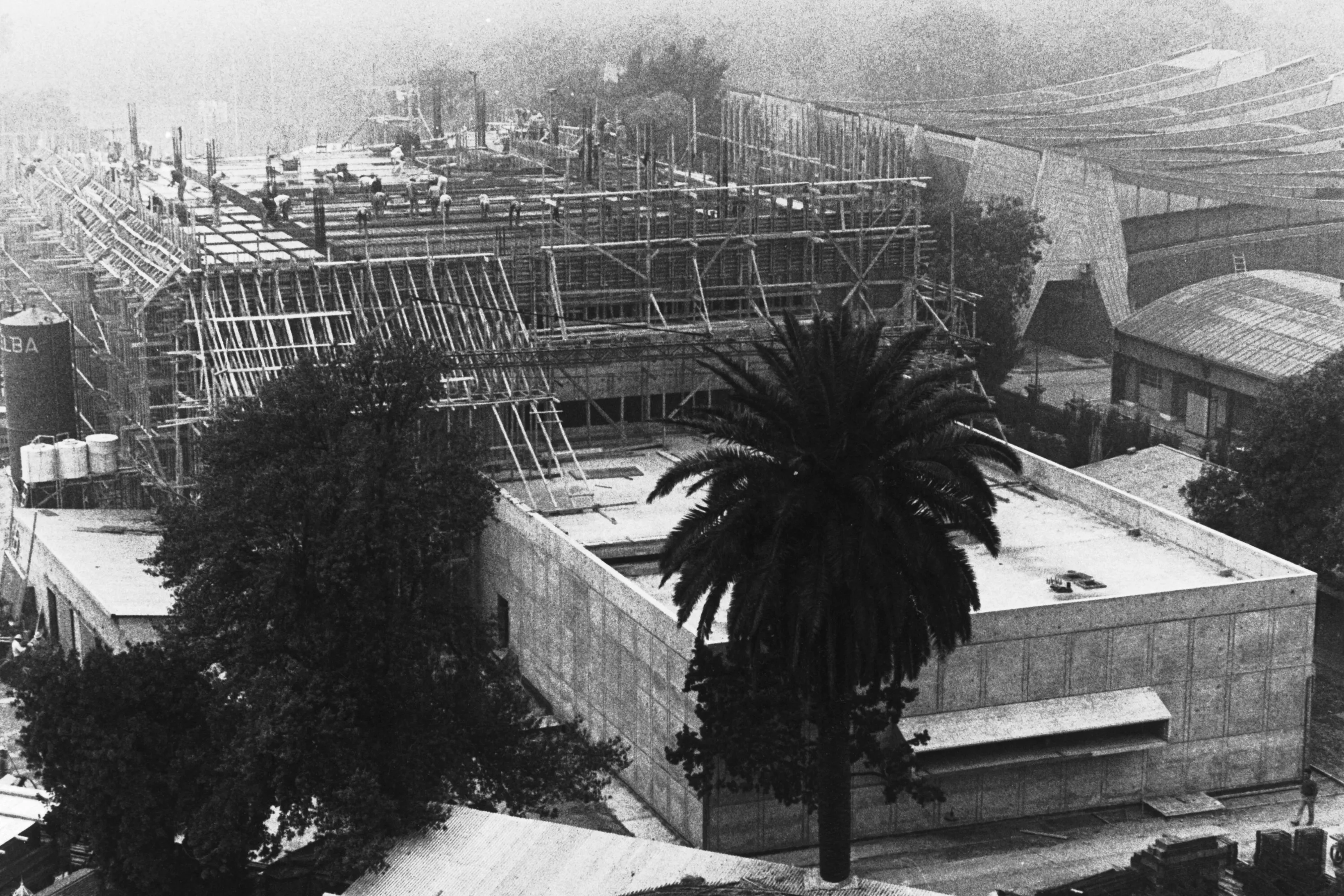
Juan M. Villafañe, AIA, Partner at Krueck Sexton Partners, presented “Historic Intent and the Renovation of Eduardo Catalano’s U.S. Embassy in Buenos Aires” at Docomomo Santiago as part of the round table Modernism and Diplomacy: Paying It Forward at U.S. Embassies. The session examined the legacy of mid-century embassies as instruments of cultural diplomacy and the responsibility to steward these buildings as both architectural works and active diplomatic infrastructure.
Historic Intent and the Renovation of Eduardo Catalano’s U.S. Embassy in Buenos Aires
Juan M. Villafañe, AIA
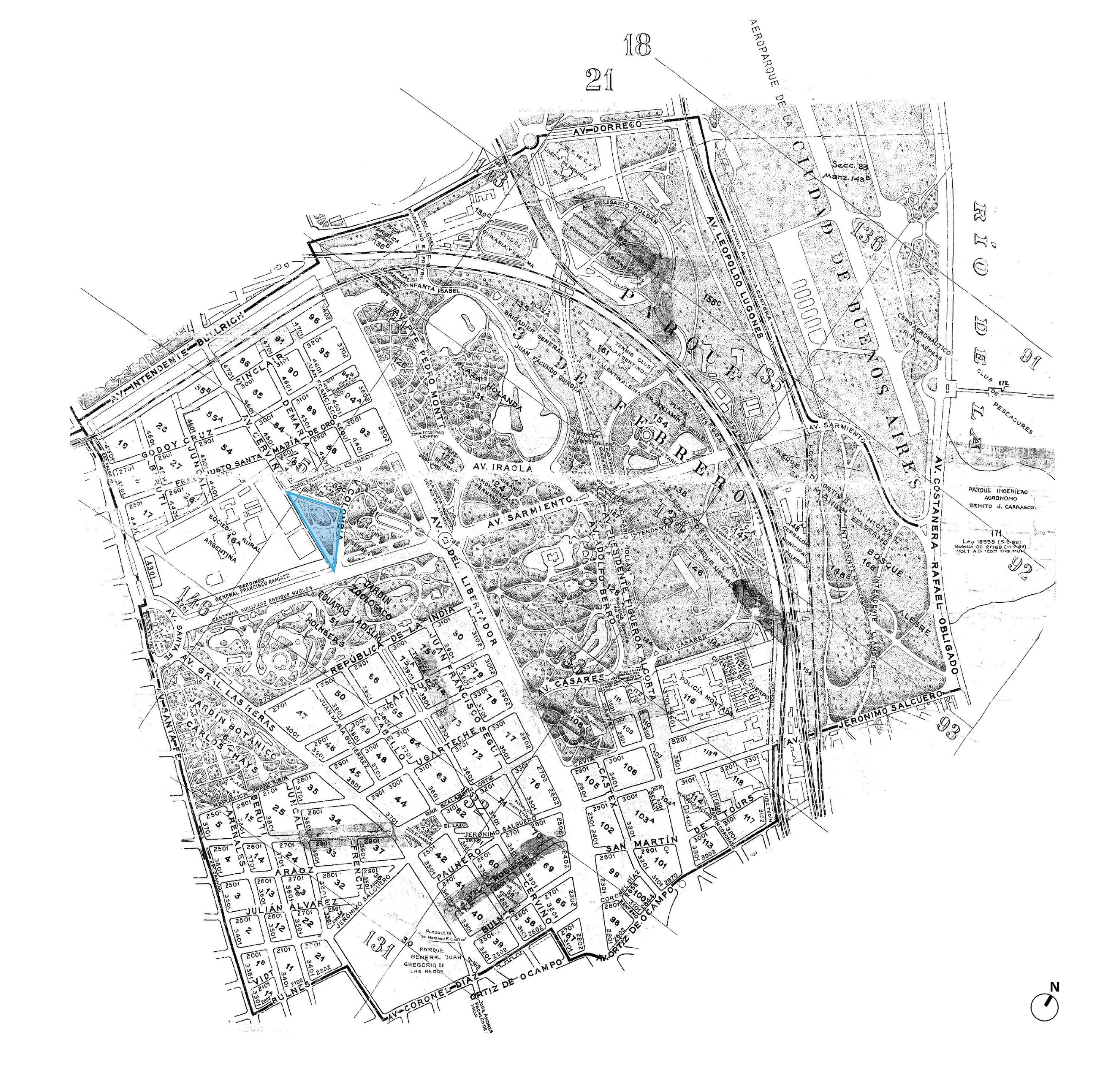
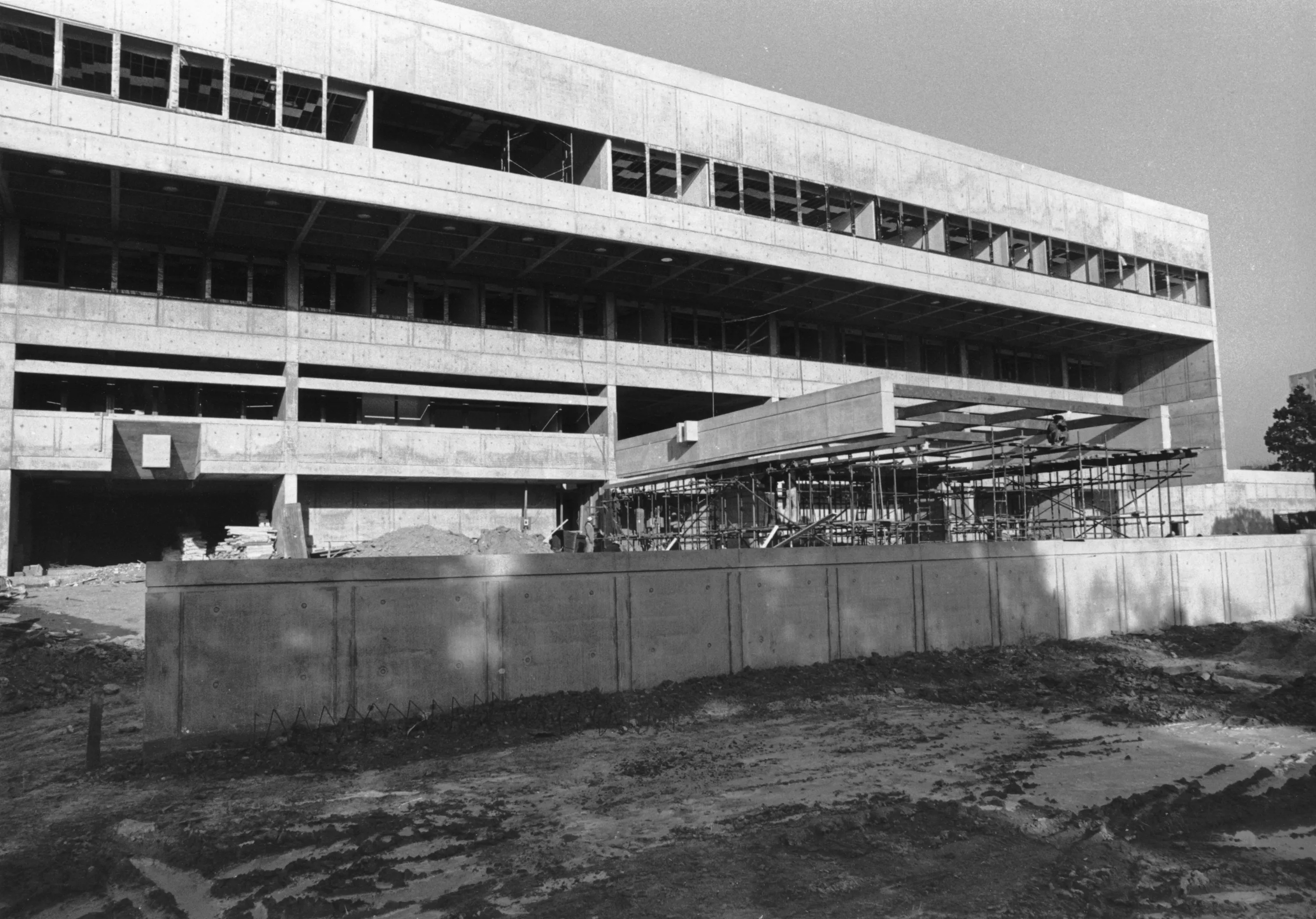
U.S. Department of State, OBO (1977). National Archives at College Park.
Juan’s paper situates the 1972 Buenos Aires embassy within Eduardo Catalano’s Cambridge-based intellectual milieu and his philosophy of designing for “constants”, enduring structural and organizational principles, while minimizing “variables” subject to change. The building’s heroic cantilever and deep concrete beam structure were conceived as a long-lasting framework capable of adaptation. After fifty years of continuous occupation, aging mechanical and electrical systems required replacement, testing Catalano’s thesis on longevity.
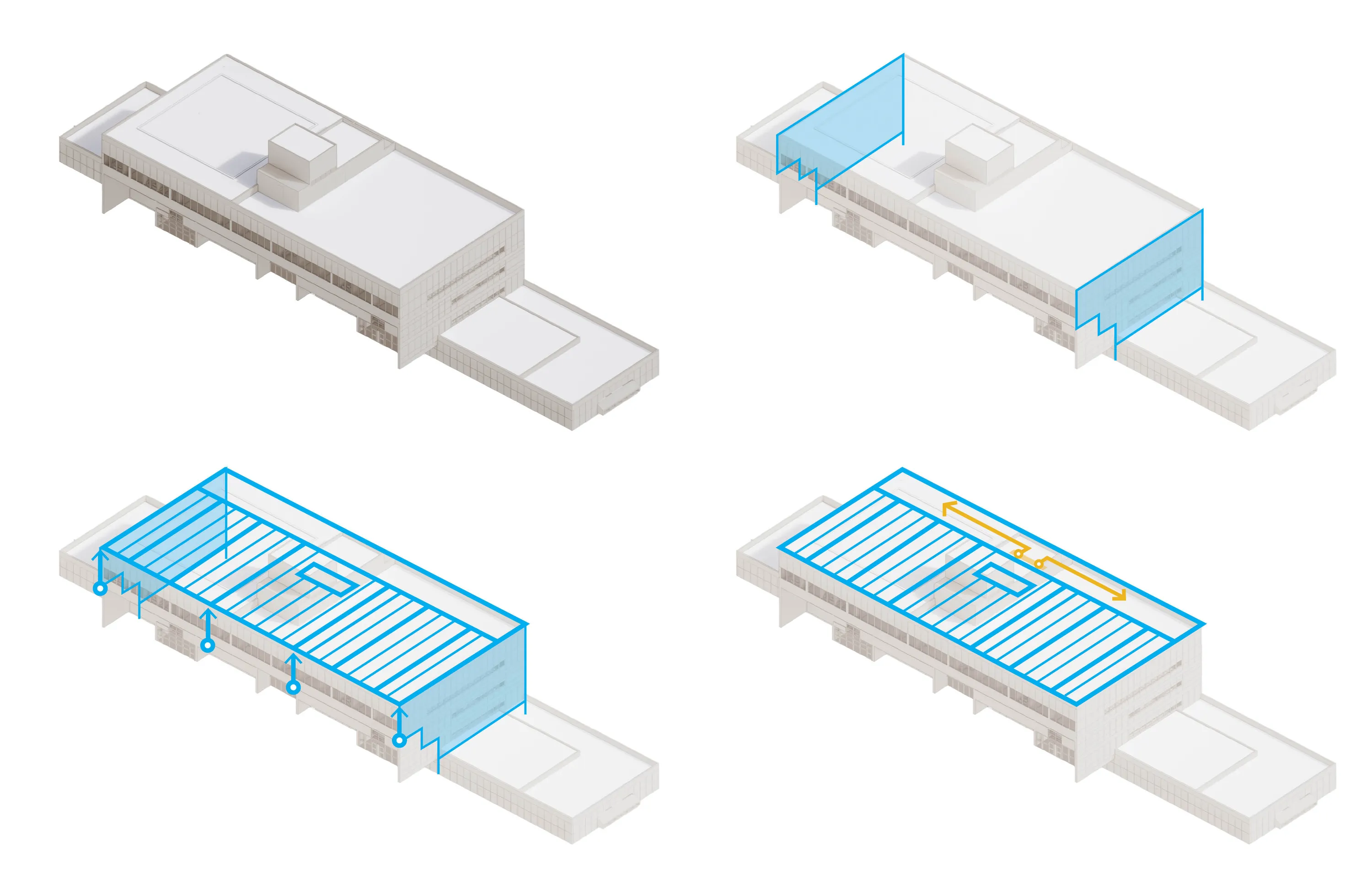
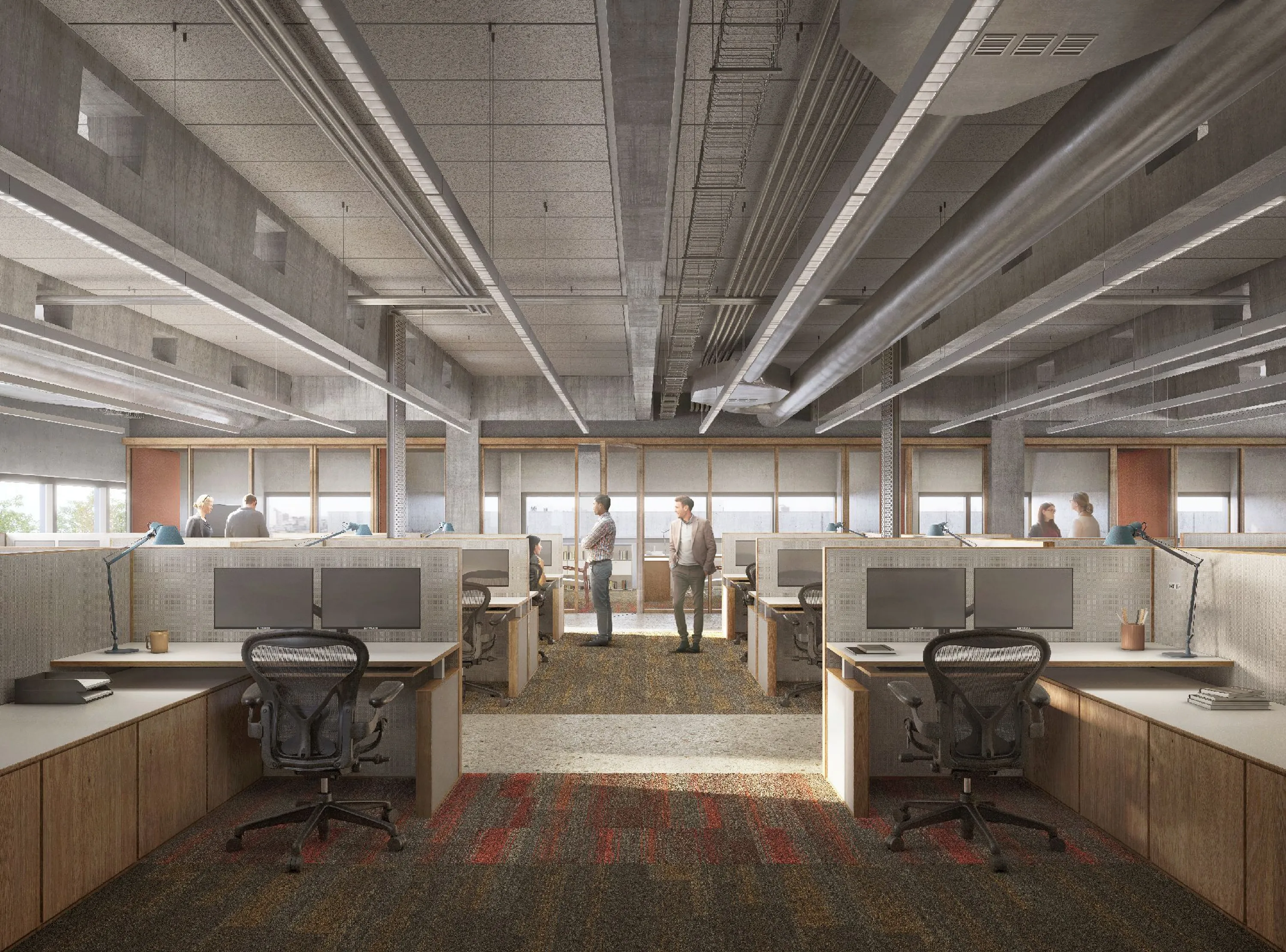
Filippo Bolognese
The 2024 selective renovation, led by Krueck Sexton Partners for the Bureau of Overseas Building Operations, upgrades critical systems while the embassy remains fully operational. A new triangular mechanical penthouse, derived directly from the existing structural grid, and the transition to distributed fan-coil systems allow the project to extend the building’s infrastructural logic rather than overwrite it, positioning the embassy for another half century of diplomatic service.